Depth isn’t weight
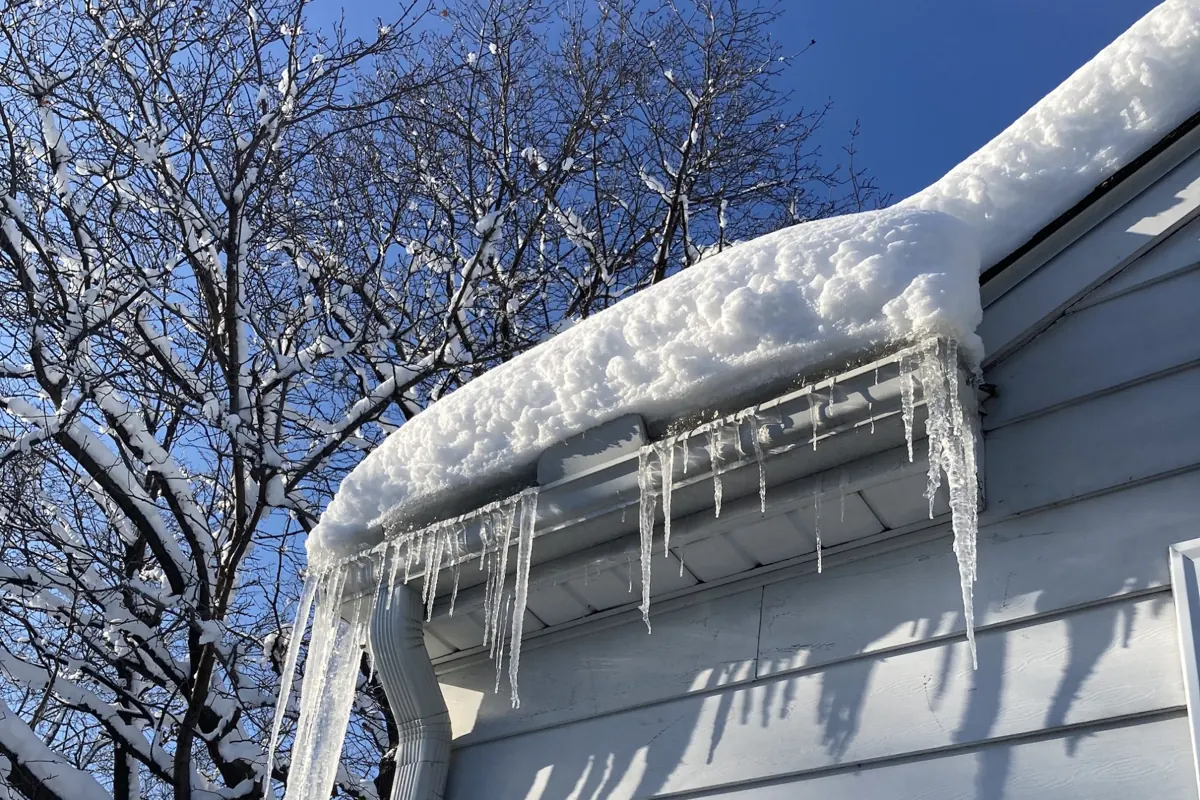
A foot of fresh powder might weigh around 7 pounds per square foot. A foot of wet spring snow can weigh several times that, and an inch of ice adds almost 5 psf on its own. That’s why roofs in Montana mountain towns often struggle after a rain-on-snow event or a March storm rather than in the deepest part of January. This estimator multiplies each layer’s depth by a typical density and adds them up.
Using the result
- Design load: buildings are designed for a roof snow load that varies with location, elevation and exposure. Your local building department or an engineer can tell you the right number; the default here is illustrative.
- Drifts: snow piles up against walls, in valleys and below higher roofs, so some areas carry far more than the average.
- Safety first: sagging, cracking sounds or doors that stick can be warning signs. Get people out and call a professional. Don’t climb onto a loaded roof.
When snow becomes a claim
Collapse, ice dams and water damage from snow are common Montana winter claims, and how the policy treats them depends on its wording. Our snow load and ice dam claim page explains how appraisal fits. Densities are typical values, and the result is a rough, illustrative estimate, not an engineering assessment.
Questions about this tool
How accurate are the snow densities?
They are typical ranges for each snow type. Real density varies with temperature, wind and time. For a precise number, a snow core can be weighed, but only when it’s safe to do so.
What is a normal design snow load in Montana?
It varies widely, from moderate values on the eastern plains to much higher values in mountain communities. Ask your local building department; we don’t publish a single figure because it depends on the site.
Will insurance cover a snow load collapse?
Many policies cover collapse caused by the weight of snow or ice, subject to their terms and exclusions. Read your policy’s collapse and roof provisions, and get the carrier’s position in writing.