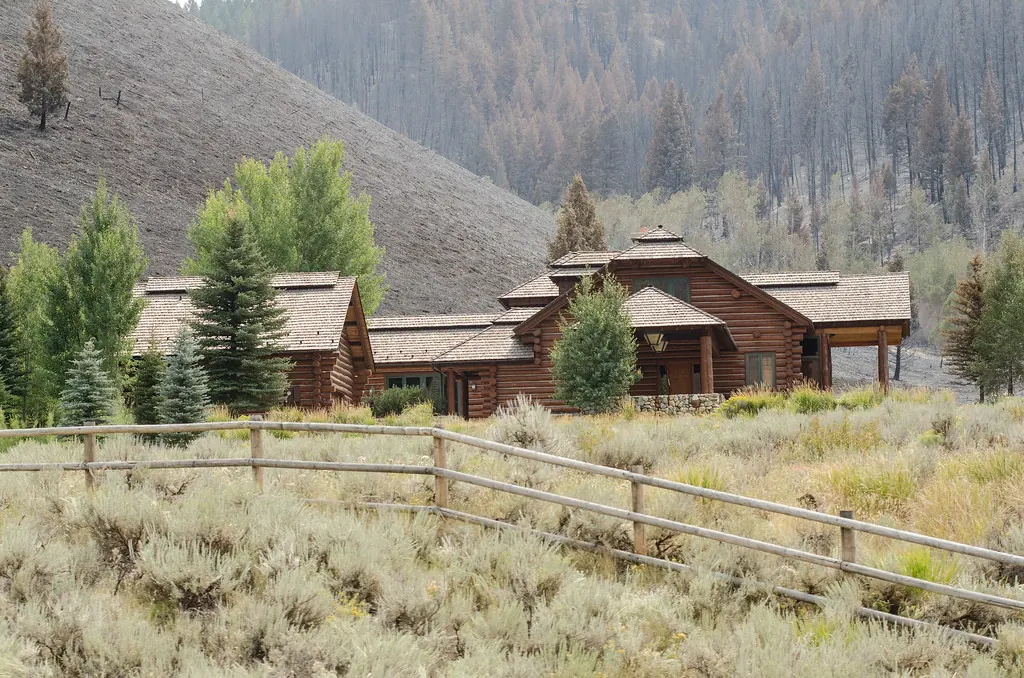
Wildfire claims in Montana
Montana has a long wildfire record: the 1988 fires around Yellowstone, the 2000 Bitterroot fires in Ravalli County, the 2012 Dahl Fire near Roundup that destroyed dozens of homes, the 2017 season with the Lolo Peak, Rice Ridge and Lodgepole Complex fires, and the 2021 Richard Spring Fire in Rosebud County. Each left owners working through a wildfire insurance claim, some for a total loss, many for smoke and ash that settled into homes miles away.
How appraisal fits a wildfire claim
Appraisal decides the amount of a covered loss. On a wildfire claim, that can include dwelling replacement cost, other structures, contents, smoke cleanup, debris removal and additional living expense, depending on how the policy is written and what the parties put before the panel.
- Policy inventory. We list every coverage part and limit: dwelling, extended replacement cost, other structures, contents, debris removal, tree and landscaping, ALE and ordinance or law.
- Scope. For a total loss, we build a replacement estimate for the house as it stood, using construction quality, square footage and features. For smoke, we document infiltration room by room.
- Pricing in a post-fire market. After a large fire, local contractors are scarce and prices rise. The estimate should reflect the market you are rebuilding in.
- Panel. We present it to the carrier’s appraiser and, if needed, the umpire.
What gets disputed on Montana wildfire claims
Underinsurance
Many homes in fast-growing areas like the Flathead and Gallatin valleys are insured for less than today’s rebuild cost. Appraisal can establish the true replacement cost, but it cannot raise your policy limit. Knowing the gap early helps you plan.
Smoke and ash from nearby fires
Homes that did not burn can still be heavily affected. Fine ash gets into HVAC systems, attic insulation, carpets and soft goods. Carriers sometimes offer a light wipe-down when a deeper cleaning or replacement is needed. Testing and careful documentation matter.
Debris removal
Removing burned structures, foundations and hazardous material from a rural lot can be expensive. Many policies cap debris removal as a percentage of the dwelling limit or a fixed amount. The cost can be decided in appraisal; the cap still applies.
Additional living expense
Rebuilding in a short Montana building season, with contractor shortages, takes time. ALE disputes about how long you need temporary housing are common.
Outbuildings and land
Fences, barns, wells, pump houses and trees are often under-scoped. Other structures coverage and tree limits each have their own rules.
Some wildland-urban interface homes in Montana end up insured in the surplus-lines market, where policy forms vary more than standard forms. Montana has no state FAIR plan. If your policy came from a surplus-lines carrier, read its appraisal and smoke provisions closely; they may differ from what friends with standard policies describe.
When appraisal is not the right tool
If the carrier says smoke damage is not a covered “direct physical loss,” or that a structure is excluded, that is a coverage dispute. A panel cannot rewrite the policy or increase its limits. Talk to a licensed Montana attorney about denials, and know that the Office of the Montana Commissioner of Securities and Insurance accepts consumer complaints. For an accepted wildfire insurance claim where the dispute is about amount, appraisal is often a practical path.
More resources
Our guide to wildfire and smoke claims in Montana covers documentation in detail. If you are in western Montana, our Missoula page discusses the smoke seasons that valley has lived through. For structure fires that did not start as wildfire, see fire and smoke claim appraisal.
Questions about wildfire & smoke claims
My house did not burn, but smoke and ash got inside. Can I file a claim?
Many Montana property policies cover smoke damage as a direct physical loss, but policy wording varies, especially on surplus-lines forms. Document the ash and odor with photos, keep filters you replace, and report the claim promptly. If the carrier accepts it but undervalues cleaning or replacement, appraisal can resolve the amount.
Can appraisal increase my dwelling limit if I was underinsured?
No. Appraisal decides the amount of loss, but the insurer pays only up to the policy limits, including any extended replacement cost endorsement. Appraisal can still help by establishing the actual replacement cost, which shows how far the limit falls short. Questions about how the policy was sold or renewed are for a licensed Montana attorney.
How long can I collect additional living expense after a wildfire?
That depends on your policy’s ALE limit and any time limit it sets. Many policies pay for the reasonable time needed to repair or rebuild, up to a dollar cap. In Montana, short building seasons and contractor shortages after large fires can stretch that time. If the dispute is about the amount, appraisal may help.
Does wildfire debris removal count against my dwelling limit?
It depends on the policy. Some forms provide debris removal as additional coverage on top of the dwelling limit, often capped at a percentage. Others include it within the dwelling limit. Read the debris removal section of your policy, and expect the cost of clearing a rural lot to be a common point of disagreement.