Billings at a glance
- Summer hail
- Straight-line wind
- Rare tornadoes
- Winter freeze-ups
- Yellowstone high water
Housing: Early-1900s brick and frame homes near downtown and the North Side, 1950s–70s ranch homes across the West End, and fast-growing subdivisions toward Shiloh Road and Laurel, with shops and pole barns on the valley’s edges.
Neighborhoods and nearby areas: the Heights, West End, Lockwood, Laurel, Shiloh corridor, the Rims / Rimrock area, Shepherd
What property claims look like in Billings
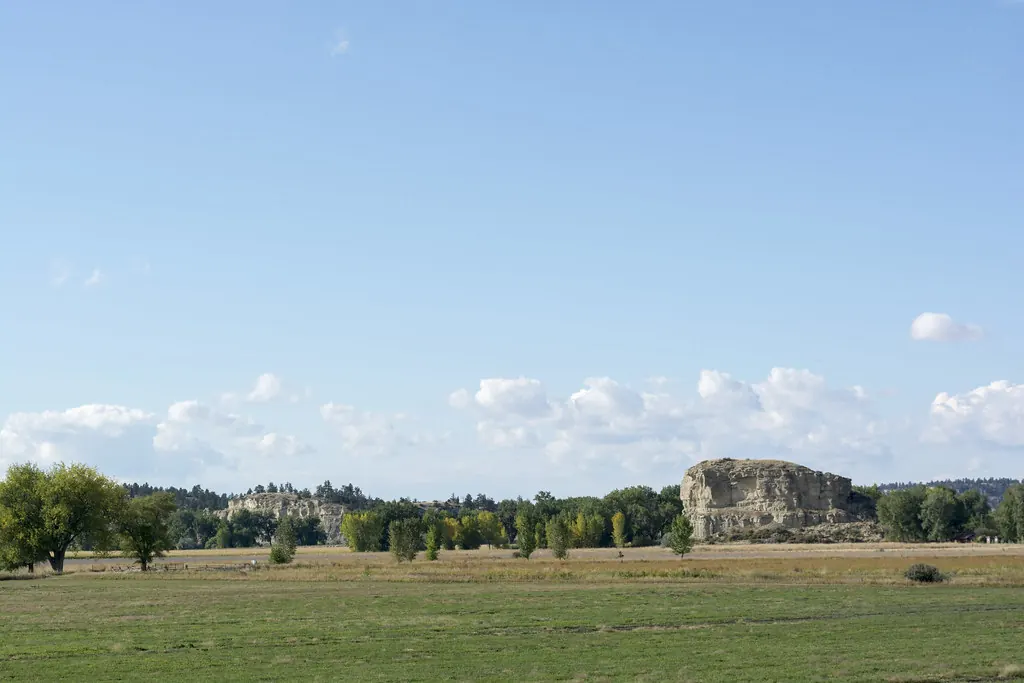
Billings sits in the Yellowstone Valley under the sandstone Rims, and its claim files are dominated by one word: hail. Summer thunderstorms build over the Beartooths or the Bull Mountains and roll across the valley, and a single cell can stripe the West End, the Heights and Lockwood within half an hour. After a widespread storm, roofers, siding crews and gutter installers are booked for months, and carrier estimates written in that rush tend to be thin.
The housing stock adds its own wrinkles. Older homes near downtown carry layers of roofing and siding that may no longer be made. Ranch homes from the 1950s through the 1970s fill much of the West End, and newer subdivisions keep spreading toward Shiloh Road and out to Laurel. Each era raises different questions about matching, code upgrades and how much of a roof can truly be repaired.
Disputes that come up often
- Repair vs. replace. A carrier approves two slopes while bruising shows across the whole roof.
- Siding and trim. Discontinued vinyl or steel siding colors can make spot repairs impossible to match.
- Metal roofs and outbuildings. Some policies limit cosmetic dents on metal, which matters for shops and pole barns.
- Wind scope. Straight-line winds and the occasional tornado bring their own arguments about what was storm-related.
Local factors that move the numbers
Contractor capacity is the biggest swing factor. When hail covers a large part of the city, labor and material pricing can climb well above what a pricing database showed the month before, and out-of-town crews arrive with mixed results. An estimate should reflect what it really costs to get the work done in Billings at that time. Wind/hail percentage deductibles are common here too, so confirm how yours was figured with our wind/hail deductible calculator.
Older roofs raise another issue. Some policies settle roofs past a certain age on a payment schedule or actual cash value basis, and the depreciation in a carrier estimate is not always explained. A careful insurance appraiser in Billings checks those figures line by line instead of accepting the summary page.
How appraisal works for Billings owners
If you and your carrier agree a loss is covered but disagree on the amount, most Montana policies let either side demand appraisal in writing. Each side names an appraiser, the two try to agree, and an umpire settles what they can’t. An award signed by two of the three generally sets the amount of loss. Appraisal does not decide coverage; for coverage questions, talk to a licensed Montana attorney.
As your insurance appraiser in Billings, we measure the roof, document every damaged elevation and build a line-item estimate that can stand next to the carrier’s. Our page on hail and roof damage appraisal walks through the process, and owners up the river can read our notes on Livingston claims.
Weather history around Billings
- June 20, 2010Billings tornado An EF2 tornado struck the city, heavily damaging the MetraPark arena and nearby businesses and roofs.
- June 2022Yellowstone River flooding Record high water after heavy rain on snowpack pushed the Yellowstone up through the valley and strained river communities upstream and downstream.
- Most summersYellowstone Valley hail Thunderstorms building off the Beartooths and Bull Mountains regularly drop hail across the West End, the Heights and Lockwood.
Claim services in Billings
Every Montana Insurance Appraiser service is available to property owners in Billings and across Yellowstone County:
- Appraisal Clause Representation
- Homeowner Claim Appraisal
- Commercial & HOA Claims
- Hail & Roof Damage
- Wind & Tornado Damage
- Water Damage Claims
- Fire, Smoke & Contents
- Wildfire & Smoke Claims
- Snow Load, Ice Dam & Freeze
- Ranch, Farm & Outbuildings
- Insurance Estimate Review
- Umpire Services
Questions from Billings property owners
How soon after a Billings hailstorm should I look at my roof?
As soon as it is safe, and before the next storm muddies the picture. Photograph soft metals like vents, gutters and downspouts, note the date, and check siding on the side the storm came from. Billings often gets more than one hail event a season, so a dated record helps separate one storm’s damage from another’s when the carrier raises prior damage.
Can my shop or pole barn be part of the same appraisal?
Usually, if it is covered under the same policy and the disagreement is about the amount of loss. Outbuildings on the edges of Billings often have metal roofs and siding, and some policies treat cosmetic dents differently. We read the policy language first, then measure and price the building alongside the house so the panel sees the whole loss.
Do out-of-town roofers affect what my claim should pay?
Indirectly. After a big storm, local crews fill up and pricing in Billings can rise. A fair estimate reflects what it costs to hire a qualified contractor here at the time of repair, not a figure from a quiet month. We document current local pricing so the appraisal panel can weigh it against the carrier’s numbers.