Fire seasons that shape Montana claims
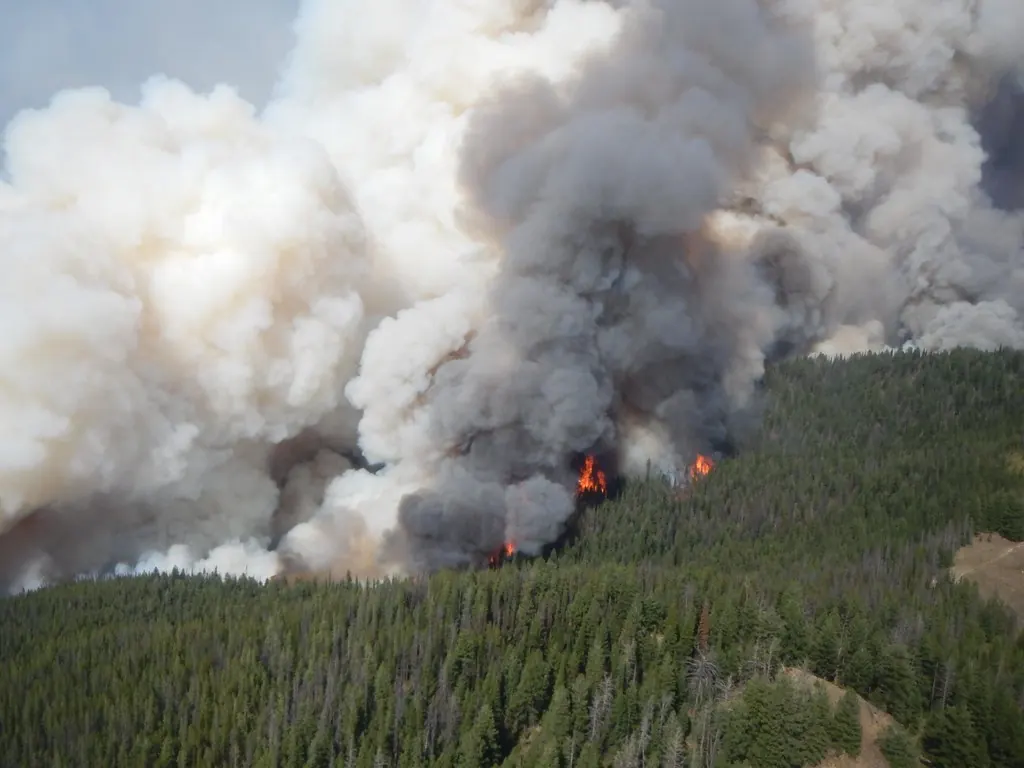
Montana has a long wildfire record: the 1988 fires in and around Yellowstone, the 2000 Bitterroot fires in Ravalli County, and the 2017 season with the Lolo Peak Fire near Missoula, the Rice Ridge Fire near Seeley Lake and the Lodgepole Complex in Garfield County. Eastern Montana isn’t immune; the 2012 Dahl Fire near Roundup destroyed dozens of homes, and the 2021 Richard Spring Fire burned across Rosebud County. Smoke from big fires can settle over western valleys for weeks.
A Montana wildfire smoke claim usually falls into one of three groups: a total loss, partial burn damage, or smoke, soot and ash damage to a home the fire never reached. Each raises different valuation questions.
Total losses
When a home burns, the questions center on the dwelling limit, debris removal, code upgrades and contents. Rebuilding in a remote county can cost more than the carrier’s pricing assumes because of contractor travel, short building seasons and material delivery. If your policy includes ordinance or law coverage, it may help with code items. Check whether you have extended replacement cost or similar endorsements.
Contents inventories are a major part of a total loss. Build them room by room using photos, videos, bank and card statements and online order histories. Many policies pay actual cash value first and release depreciation after items are replaced.
Smoke, soot and ash without flames
This is where most disputes happen. Many policies cover smoke damage from a nearby wildfire, but terms vary, and carriers sometimes treat the damage as temporary or limit it to light cleaning. Common points of disagreement:
- Cleaning versus replacement: whether soft goods, insulation, carpet and porous finishes can be cleaned or must be replaced.
- HVAC systems: duct cleaning, filter replacement and whether ash has entered the air handler.
- Odor: how far smoke odor reaches into wall cavities, attics and crawl spaces, and whether sealing and deodorizing are needed.
- Exterior: ash etching on glass, staining on siding and damage to log home finishes, which may need blasting and refinishing.
- Contents: cleaning costs, pack-out and storage, and items that can’t be restored.
Testing and documentation
Lab sampling for soot, char and ash can help show where wildfire residue is present. Testing isn’t always necessary, and either side may question methods, but objective data often narrows the dispute. Photograph surfaces before cleaning, keep sampling reports and save receipts for any emergency work.
Living expenses during evacuation and repairs
Evacuation orders, smoke levels and repair work can keep you out of your home. Many policies pay additional living expense when the home is uninhabitable, and some include coverage tied to a civil authority order. Keep hotel bills, mileage and meal receipts, and note the dates on any evacuation notice. These amounts can be part of an appraisal if the carrier disputes them and the policy allows it.
Insurance in the wildland-urban interface
Montana has no state FAIR plan. Some homes in the wildland-urban interface, from the Bitterroot to the Flathead, end up with a surplus-lines insurer when standard carriers decline. Surplus-lines policies can use different appraisal language, sublimits for smoke or debris and different exclusions. Read the full policy, not just the declarations page. If a provision is unclear, the Montana Commissioner of Securities and Insurance publishes consumer guidance, and a licensed Montana attorney can explain your rights.
Trees, landscaping and outbuildings
Many policies cover trees and landscaping with low per-item limits and only for certain perils, so read that section closely. Fences, sheds, barns and corrals usually fall under other structures coverage. On ranch properties those structures add up quickly, and their replacement cost is often underestimated. Document each one’s size, materials and condition.
Working with cleaning and restoration crews
After a big fire, restoration companies get busy fast. Before any crew starts, ask for a written scope of what it will clean and how, and keep copies. If the carrier hires its own vendor, you can still document conditions yourself before and after. Cleaning that leaves odor or residue behind is a common reason claims reopen, so do a walkthrough with the crew before signing off.
When to consider appraisal
Once your carrier accepts that smoke or fire damage occurred but you disagree on the scope or cost of cleaning, repair or replacement, appraisal can settle the amount. It won’t decide whether a smoke exclusion applies. For more on how we approach these claims, see our wildfire claim appraisal and fire and smoke claim appraisal pages. Owners in Missoula County can also visit our Missoula page.
A Montana wildfire smoke claim often turns on early documentation. Photograph everything before cleaning crews arrive, and keep a dated log of what was done.