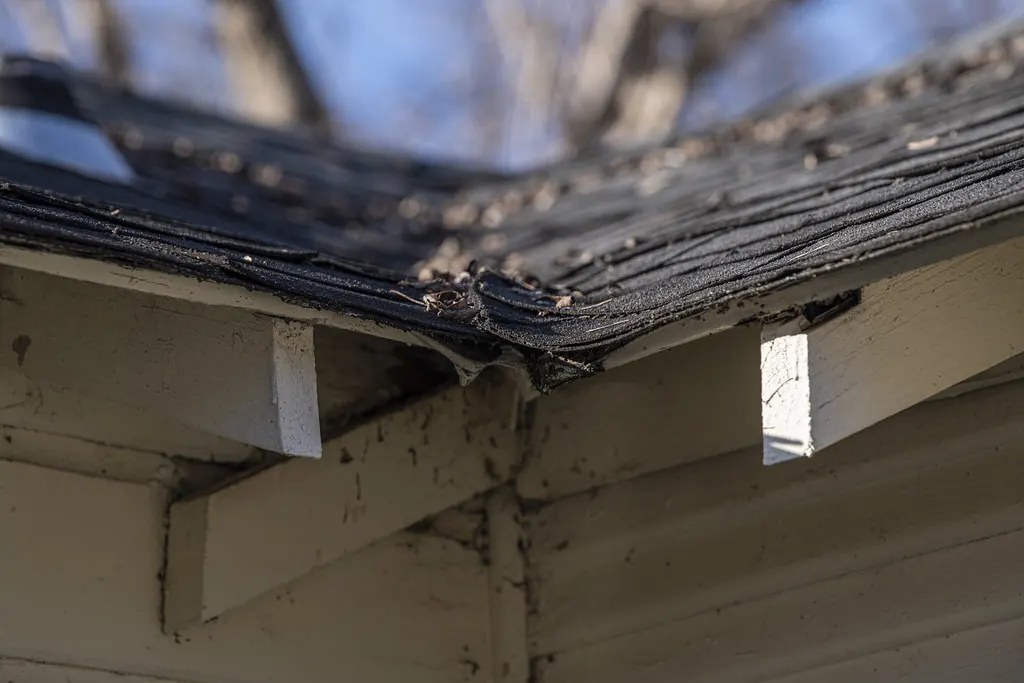
Why hail drives so many Montana roofing disputes
Montana is one of the most hail-prone states in the country. Convective storms that build over the plains in late spring and summer can drop large stones across Yellowstone, Cascade, Hill and Gallatin counties in a single afternoon, and Billings, Great Falls and towns along the Hi-Line see repeat events. That history shapes almost every Montana hail claim: roofs may carry old damage, adjusters may be stretched thin after a big storm, and roofers can be booked months out.
Most disputes fall into a few predictable patterns. Knowing them helps you document the right things before appraisal.
Repair versus replacement
The most common gap is a carrier estimate that pays to replace a handful of shingles while your roofer says the whole roof needs to come off. The questions that usually decide it:
- How many hail hits are there per test square on each slope?
- Will repaired shingles reseal and lie flat, or does lifting them cause more damage? Older and brittle shingles often crack when handled.
- Is the product still made? If not, can a repair match in color, size and profile?
- Does the local building department require more than a patch once a certain portion of the roof is replaced?
Appraisers on both sides should look at the same slopes, ideally together, and record test-square counts with photos.
Matching discontinued shingles and siding
Many Montana homes have roofing or siding that is no longer manufactured. When a repair can’t blend with undamaged areas, a matching dispute follows. How matching is handled depends on your policy wording and the facts; some policies address it directly, and some limit it by endorsement. Get a written statement from a supplier if a product is discontinued, and keep a sample.
Metal roofs and cosmetic damage
Metal roofing is common on rural homes, cabins and ag buildings, and stone-coated steel has become popular in hail country. Some policies include a cosmetic damage exclusion or endorsement that limits payment for dents that don’t affect how the roof sheds water. Whether a particular dent is cosmetic or functional can be partly a coverage question, so read the exact wording before you demand appraisal. If coverage is accepted, appraisers can still disagree on panel replacement, trim and fasteners.
Class 4 shingles
Many owners install Class 4 impact-resistant shingles, sometimes for a premium discount. Those shingles resist hail better, but they aren’t hail-proof. Look for fractured mats, granule loss and damage to vents, flashing and gutters. Ask whether your policy has any special terms tied to the discount.
Deductibles and payment schedules
Two policy features can change the math on a Montana hail claim before anyone argues about scope.
Percentage wind and hail deductibles
Some policies set a separate wind and hail deductible as a percentage of dwelling coverage. Illustrative example: a 1 percent deductible on a $350,000 dwelling limit is $3,500, while 2 percent would be $7,000 (illustrative figures). Our wind and hail deductible calculator shows how yours works.
Roof payment schedules
Some carriers use a roof payment schedule that pays a declining percentage of replacement cost as the roof ages, regardless of condition. If your policy has one, appraisal can still settle the full replacement cost figure, and the schedule then applies to it. Check your declarations page and endorsements so you know what to expect.
Measuring the roof correctly
Small measurement errors become big dollar gaps. Steep pitches, multiple facets, dormers, starter and ridge materials all affect the number of squares and the labor charges, and steep-roof and high-roof charges are easy to leave off. Check pitch and square counts with our roof pitch and squares calculator, and compare them against any aerial measurement report in the file.
Items adjusters often leave out
- Gutters, downspouts and gutter guards with hail dents.
- Window screens, wraps and siding on the storm-facing side.
- Roof vents, turbines, skylights and a satellite dish reset.
- Ice and water shield where local code calls for it.
- Drip edge, permits, dumpsters and haul-off on long rural drives.
- Detached garages, sheds and pole barns under other structures coverage.
Old damage and the date of loss
Because Montana roofs can be hit several times over the years, carriers sometimes attribute damage to an earlier storm. Weather data for your address, dated photos and prior inspection reports help tie damage to a specific event. If you had an earlier claim on the same roof, keep that file handy, since the panel may need to separate what was paid before from what is new.
Contractor availability after a big year
After a widespread storm, crews from out of state arrive, local roofers get backlogged and prices can climb. A fair estimate reflects what it actually costs to get the work done in your area within a reasonable time, including travel to rural properties. Keep any bids that show local pricing.
Where appraisal fits
Once your carrier accepts hail damage but disagrees on scope or price, appraisal can settle the amount of your Montana hail claim. Billings-area owners can read more on our Billings page, and our hail and roof damage appraisal service explains how we document roofs for the panel.