Winter is its own claim season in Montana
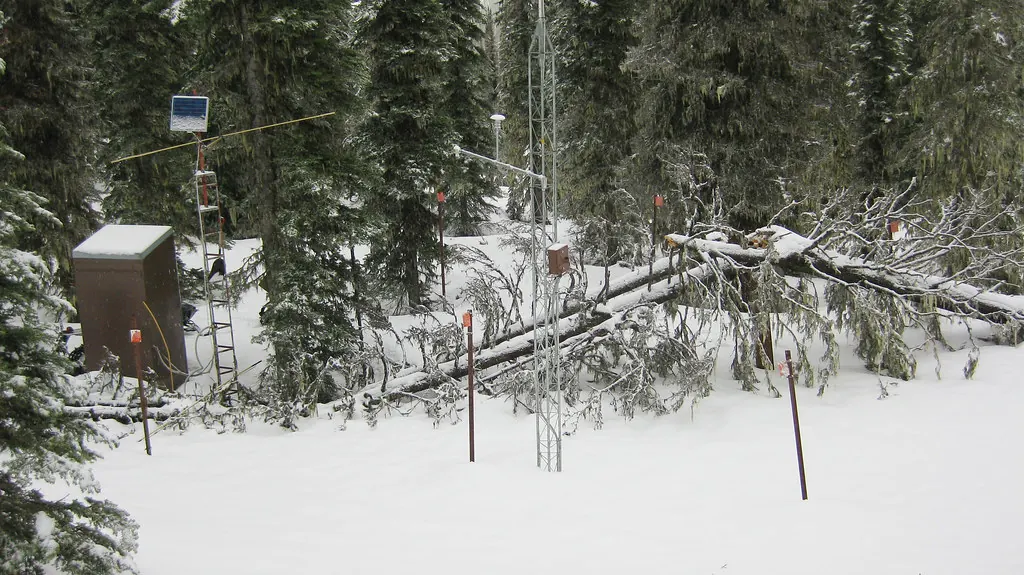
Montana winters bring heavy snow in the mountains, long cold snaps on the plains and fast swings when a Chinook arrives or an arctic front drops in. Those conditions produce a steady run of snow load and ice dam claims, along with frozen and burst pipes. The damage often shows up weeks after a storm, when snow melts and water finds its way inside.
These claims tend to involve more coverage arguments than hail claims. Before you think about appraisal, it helps to understand how carriers look at winter damage.
Snow load and collapse
Many homeowners policies cover collapse caused by the weight of ice, snow or sleet, often under a separate collapse provision with its own definitions. The meaning of collapse varies by policy. Some require an abrupt falling down; others also cover parts of a building in imminent danger of falling. Sagging rafters, cracked trusses and bowed walls may or may not qualify depending on the wording.
Mountain towns such as Bozeman, Big Sky, Whitefish and Red Lodge typically have higher design snow loads than the eastern plains, and local building departments set the requirements. An older cabin or a pole barn built before current codes may not meet them. If repairs trigger code upgrades, ordinance or law coverage, if you have it, may help pay for them.
Outbuildings and ag structures
Pole barns, machine sheds, hay barns and loafing sheds are vulnerable because of their long clear spans. They usually fall under other structures coverage on a homeowners policy, or under a separate farm or ranch schedule. Check the limit and the valuation basis, since some structures are covered at actual cash value only.
Ice dams
An ice dam forms when heat escaping through the roof melts snow and the water refreezes at the colder eaves. Water backs up under shingles and leaks into ceilings, walls and insulation. Carriers often accept the interior water damage but argue about:
- Whether the roof itself was damaged or just needs snow and ice removal.
- How much drywall, insulation and paint must be replaced.
- Whether ice and water shield must be added to meet code when the roof is repaired.
- Whether the leak was sudden or a long-term condition, which some policies exclude.
Keep invoices for roof snow removal and ice steaming. Those costs may be covered as reasonable steps to protect the property.
Frozen and burst pipes
During a cold snap, pipes in exterior walls, crawl spaces and unheated garages can freeze and split, and the water can do serious damage fast. Many policies cover sudden water damage from a burst pipe, but some exclude or limit freezing losses if the home was vacant or heat wasn’t maintained, unless the water supply was shut off and the system drained. Cabins and seasonal homes deserve a close read of the vacancy and freezing language.
Mitigation comes first
Most policies require reasonable steps to prevent further damage. In winter that means stopping water, getting heat back on, calling a mitigation company and documenting what you find. Mitigation estimates and drying logs often become exhibits in appraisal, so keep moisture readings, photos and equipment logs. Disputes over the number of drying days or how much material was removed are common, and they can be appraised once the loss is accepted.
Flood is different
Snowmelt flooding, ice jams and rain-on-snow events, like the June 2022 Yellowstone River flooding that hit Gardiner, Red Lodge and the Paradise Valley, are usually excluded from homeowners policies. Flood coverage typically comes from the National Flood Insurance Program or a private flood policy. Water that comes through the roof from an ice dam is treated differently from surface water rising into a basement, and that distinction matters.
Estimating winter claims
Snow load and ice dam claims can involve structural engineering, temporary shoring and repairs that must wait for spring. Good estimates account for:
- Engineering reports and stamped repair designs where required.
- Shoring and snow removal before repairs can start.
- Winter conditions, such as heating and protecting the work area.
- Contractor travel to remote properties and short building seasons.
Our roof snow load estimator gives a rough sense of the weight on a roof, though it doesn’t replace an engineer.
Documenting a winter loss
Snow covers evidence and melt changes it. Photograph rooflines, eaves and icicles before anyone clears the roof, and take interior photos as stains spread. Note outdoor temperatures and the date heat was lost if a furnace failed. If you shut off water at a cabin, keep a record of when and how it was drained.
Where appraisal helps
Once your carrier accepts that snow load, ice dam or freezing damage is covered but disagrees on scope or price, appraisal can settle the amount. It won’t decide whether a collapse definition or freezing exclusion applies. See our snow load, ice dam and freeze claims service, and if you live in Gallatin County, our Bozeman page.